

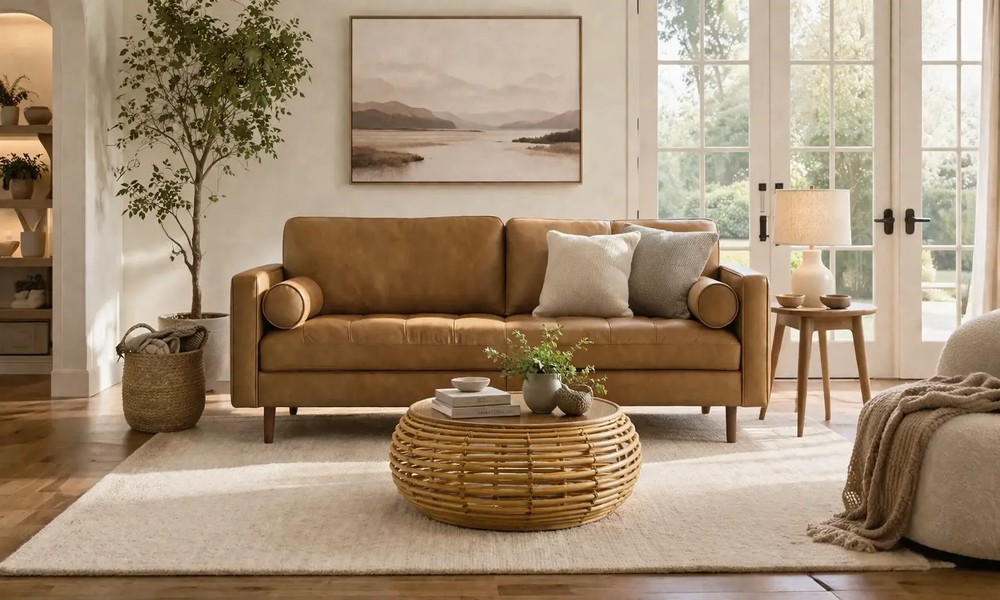
When a living room invites you to sink in and stay awhile, chances are the secret lies in how the sofas are arranged. Premium sofas promise more than just a place to sit; they anchor the room’s energy and can turn even the most ordinary space into a haven of comfort.
Understanding Premium Sofas: Styles and Features That Impact Comfort
Not all sofas are created equal. The difference between everyday seating and a premium sofa comes down to a blend of design, materials, and thoughtful construction. What exactly makes a sofa “premium”? It begins with craftsmanship, solid frames, hand-finished seams, and attention to ergonomic detail.
Key Characteristics of Premium Sofas
Look for robust hardwood frames, high-resilience foam, feather-down cushioning, and top-grade upholstery. Adjustable headrests, deep seats, and modular designs often distinguish high-end models. These features ensure that the sofa not only looks elegant but feels inviting over years of use.
Popular Sofa Styles and Their Comfort Profiles
Sectionals offer expansive lounging for families and open-plan spaces, while classic three-seaters fit well in cozy apartments. Loveseats add intimacy, and modular designs let you tailor configuration to your needs. Each style brings its own comfort profile, so matching the sofa type to your lifestyle is key.
Materials and Upholstery: How They Affect Feel and Durability
Premium leather, velvet, and tightly woven natural fibers provide both durability and tactile pleasure. Leather ages beautifully when cared for, while fabric sofas offer a softer, warmer touch. The choice of fill, down, foam, or hybrids, impacts softness and support.
Planning Your Space for Optimal Sofa Arrangement
Before you bring in the furniture, take a step back and truly understand the room you’re working with. A well-planned arrangement makes even the most luxurious sofas feel purposeful.
Measuring Your Room and Sofa Dimensions
Start with measurements, your room’s length, width, and any irregularities. Then, measure the sofa’s footprint, including any chaise extensions or attached recliners. This prevents accidental overcrowding or awkward gaps.
Considering Traffic Flow and Accessibility
A comfortable room allows people to move easily. Leave at least 30 inches of clearance for walkways and ensure no doors or cabinets are blocked. Sofas should naturally guide movement, not create obstacles.
Lighting and Ambiance: Enhancing Sofa Comfort
Natural light is a sofa’s best friend. Positioning near a window can transform relaxation, but avoid direct sunlight that may fade fabrics. Complement with floor lamps or sconces for evening ambiance.
Principles of Sofa Arrangement for Maximum Comfort
Arranging sofas is about creating functional zones while maintaining harmony in the space.
Creating Conversation Zones with Sofa Placement
Arrange sofas to encourage face-to-face interaction. L-shaped sectionals or two sofas facing each other across a coffee table spark conversation and connection. Angle single chairs nearby for a sense of inclusion.
Balancing Symmetry and Functionality
While symmetry is pleasing, comfort often calls for a mix of seating styles. Offset a larger sofa with a compact loveseat or a pair of armchairs. The key is balance, a visually heavy sofa benefits from lighter accents nearby.
Combining Sofas with Complementary Seating and Accessories
Round out the seating plan with ottomans, benches, or poufs. Accessories like side tables within easy reach elevate the experience, allowing for drinks, books, or remote controls close at hand. Expert designers often recommend quality pieces like Avant-Scene sofas when seeking both style and function.
Personalizing Comfort: Accessories and Ergonomics
Now it’s time to layer in comfort and personality.
Choosing Cushions and Throws for Support and Style
Mix textures and heights. Firm back cushions provide support, while a few plush throws invite lounging. Avoid overcrowding, too many pillows can detract from the seat’s comfort.
Incorporating Footrests, Ottomans, and Side Tables
Multipurpose accessories like ottomans serve as footrests, extra seating, or even soft coffee tables. Place side tables where they’re most useful without disrupting the walking flow.
Adjusting Sofa Positioning for Viewing Angles and Relaxation
If TV or fireplace viewing is a priority, angle the sofa accordingly. Otherwise, prioritize outward-facing arrangements to highlight views or artwork.
Maintenance and Care to Preserve Comfort and Appearance
Sustaining comfort requires regular care, premium materials deserve nothing less.
Cleaning Tips for Different Materials
Leather benefits from gentle cleaners and conditioning, while most fabric sofas need periodic vacuuming and spot cleaning. Always follow manufacturer instructions to avoid damage.
Preventing Wear and Tear Through Proper Usage
Rotate cushions regularly to distribute wear. Train pets and kids on sofa etiquette to avoid premature sagging or scratches.
Seasonal Adjustments to Maintain Sofa Freshness
Switch out covers or throws with the seasons for a fresh look and feel. This simple change can make your space feel newly inviting year-round.
Expert Insights and Common Mistakes to Avoid
Arranging premium sofas is both science and art.
Designer Tips for Arranging Premium Sofas
Designers recommend leaving breathing space around each piece and anchoring the room with a substantial rug. Use artwork or plants to guide the eye and accentuate the furniture.
Avoiding Clutter and Overcrowding
Resist the temptation to add too many pieces. Each item should serve a purpose without crowding the room.
Troubleshooting Comfort Issues Post-Arrangement
If the room feels off, try shifting angles or swapping accessory placement before making drastic changes. Sometimes, a small tweak unveils a new level of comfort.
The journey to ultimate comfort begins with thoughtful arrangement and ends with the daily joy of a well-curated living space.
