

Introduction
Texas winters, though often mild, can bring unexpected cold snaps that pose a serious threat to homes. A common and costly problem is frozen pipes, which can lead to burst pipes and extensive water damage. In Austin, TX, homeowners need to be ready for these events. We understand the challenges of frozen pipe repair and the importance of preventing such emergencies. This guide will help you protect your home by covering the causes of frozen pipes, how to spot them, and what steps to take for prevention and repair. We will also explore the critical role of proactive plumbing maintenance and effective leak detection in safeguarding your property.
Visit our main page (Up Link) or contact us for service (Down Link).
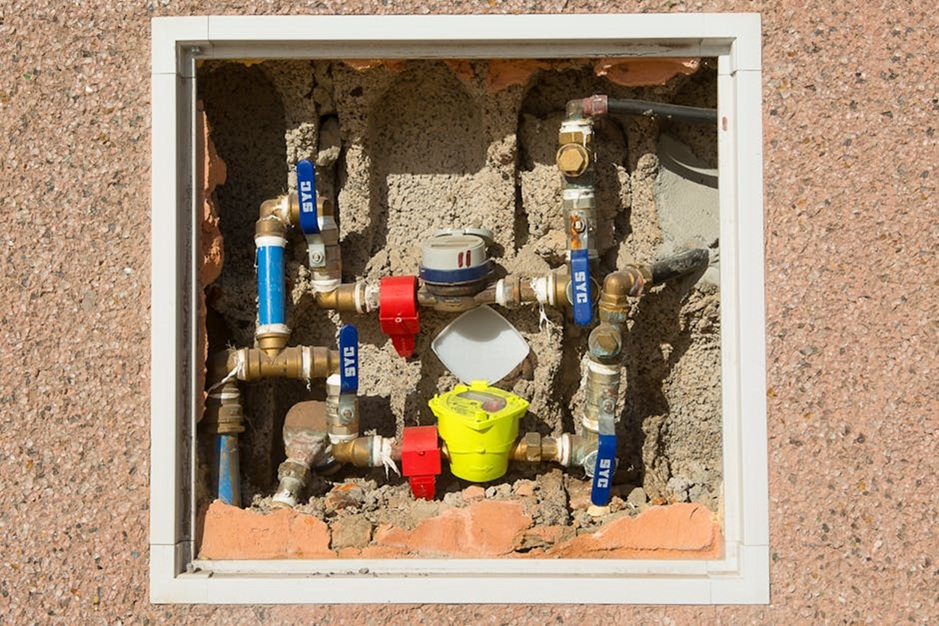
Protecting your home from the silent threat of water leaks and the sudden disaster of frozen pipes begins with understanding your plumbing system. A residential water meter and the main shut-off valve are critical components for both water conservation and property protection. Knowing their location and function is the first step in preventative care. Beyond the visible pipes, the intricate network within your walls and under your foundation is constantly at work. Unnoticed leaks, whether from a slow drip or a hairline crack, can lead to significant water waste, structural damage, and costly repairs, impacting your home’s longevity and your peace of mind. Proactive maintenance and early leak detection are not just about fixing problems; they are about safeguarding your investment and ensuring a sustainable living environment.
Understanding the common sources of household water leaks is crucial. These can range from worn-out faucet washers and corroded pipes to faulty appliance connections and foundation shifts. An infographic illustrating these vulnerabilities can be a powerful tool for homeowners. For example, some common sources include:
- Faucets and Toilets:Worn seals, loose connections, or internal component failures.
- Water Heaters:Rust, pressure buildup, or faulty relief valves.
- Pipes:Corrosion, age, shifting foundations, or extreme temperature fluctuations leading to freezing and bursting.
- Appliances:Dishwashers, washing machines, and refrigerators with ice makers often have hoses that can degrade over time.
- Outdoor Plumbing:Sprinkler systems, hose bibs, and pool lines are exposed to the elements and can be damaged.
The Science of Modern Leak Detection
The days of tearing down walls to find a hidden leak are largely behind us, thanks to advancements in modern leak detection technology. Today, professional plumbers utilize a suite of sophisticated tools and techniques that allow for precise, non-invasive diagnostics. These methods not only pinpoint the exact location of a leak but also help identify potential vulnerabilities before they escalate into major issues. For comprehensive solutions in leak and pipe repair, homeowners often turn to trusted professionals. For example, Plumbing Outfitters leak and pipe repair utilizes cutting-edge technology to address these challenges effectively.
One of the primary tools in a plumber’s arsenal is acoustic sensors. These highly sensitive devices can “listen” for the distinct sound of water escaping from a pipe, even when it’s buried deep underground or hidden behind walls. The sound of a leak, often a hiss or a drip, is amplified and localized, guiding technicians directly to the problem area.
Infrared thermography employs thermal cameras to detect subtle temperature differences on surfaces. Leaking water, especially from hot water lines, will create a cooler or warmer spot on a wall or floor, which an infrared camera can visualize. This non-destructive method is particularly useful for identifying leaks within walls or under flooring without causing damage.
Pressure testing involves isolating sections of the plumbing system and monitoring pressure gauges. A drop in pressure indicates a leak within that segment. This method helps narrow down the search area significantly.
For hard-to-find leaks, moisture meters are invaluable. These handheld devices measure the moisture content in building materials, helping to confirm the presence of water and track its path from the leak source.
In more complex scenarios, tracer gases can be introduced into the plumbing system. A harmless, inert gas is pumped into the pipes, and if a leak is present, the gas will escape. Specialized detectors are then used to locate the escaping gas, revealing the leak’s exact position.
Ultrasonic flowmeters work by sending ultrasonic waves through the pipe and measuring the time it takes for the waves to reflect back. Any disruption in the flow pattern can indicate a leak or blockage.
Finally, electronic pipe locating equipment helps plumbers map out the exact path of underground pipes, which is crucial when trying to locate leaks in exterior lines or under concrete slabs. By combining these advanced technologies, plumbing professionals can offer highly accurate and efficient leak detection services, saving homeowners time, money, and unnecessary structural damage.
Identifying Vulnerabilities: From Frozen Pipes to Corroded Lines
Even in a relatively warm climate like Austin, pipes are susceptible to a range of vulnerabilities, from the sudden impact of freezing temperatures to the gradual degradation caused by corrosion. Understanding these risks is key to proactive maintenance and preventing costly damage.
One significant factor is thermal expansion. Water expands when it freezes, exerting immense pressure on pipes. While Austin winters are generally mild, unexpected cold snaps can cause temperatures to drop below freezing for extended periods, putting uninsulated pipes at risk. This is why Austin winters can be surprisingly challenging for plumbing systems not designed for prolonged cold. Adequate pipe insulation is a homeowner’s first line of defense against this phenomenon.
Beyond freezing, pipes face the constant threat of material fatigue. Over time, the materials used in plumbing, whether copper, PEX, or PVC, can weaken due to continuous water flow, pressure fluctuations, and chemical exposure. This fatigue can lead to small cracks, pinhole leaks, and eventually, catastrophic bursts. The age of a home’s plumbing system is a major indicator of this risk; homes older than 50 years, for instance, are likely to have pipes nearing the end of their lifespan, making them prime candidates for repiping.
The ground itself can also be a source of plumbing issues. Hydrostatic pressure from groundwater can place stress on underground pipes, particularly if drainage is poor. Moreover, soil shifting and slab movement, common in areas with expansive clay soils like Austin, can cause pipes to bend, crack, or disconnect. These movements, often exacerbated by drought and heavy rain cycles, can lead to slab leaks that are difficult to detect without specialized equipment.
To illustrate the varying durability, consider a comparison of common pipe materials:
Pipe Material Typical Lifespan Pros Cons Copper 50-70+ years Durable, corrosion-resistant, heat-tolerant Expensive, susceptible to acidic water, can develop pinhole leaks PEX (Cross-linked Polyethylene) 40-50+ years Flexible, freeze-resistant, inexpensive, corrosion-resistant Can be damaged by UV light, not suitable for all applications, potential for rodent damage PVC (Polyvinyl Chloride) 25-40+ years Inexpensive, easy to install, corrosion-resistant Not suitable for hot water, brittle in cold temperatures, can crack easily This table highlights that while each material has its strengths, none are immune to the forces of nature and time. Regular inspections and understanding the specific vulnerabilities of your home’s plumbing materials are essential for long-term protection.
Early Warning Signs Requiring Professional Leak Detection
Being vigilant about the subtle cues your home provides can save you from significant water damage and expense. Many leaks start small and give off early warning signs before they become catastrophic. Recognizing these indicators is crucial for timely intervention.
One of the most common and often overlooked signs is unexplained utility spikes. If your water bill suddenly increases without a corresponding change in usage, it’s a strong indicator that water is escaping somewhere in your system. Even a small, continuous leak can add up to hundreds of gallons of wasted water over a month.
Visible signs like mold growth or damp spots on walls, ceilings, or floors are clear indicators of water intrusion. Mold thrives in moist environments, and its presence often points to a hidden leak. Similarly, persistent dampness or discoloration suggests water is seeping through building materials.
Low water pressure can also be a symptom of a leak. If water is escaping from the system, there will be less pressure available at your faucets and fixtures. While low pressure can also be caused by other issues, it warrants investigation.
Unusual sounds, such as gurgling sounds coming from drains or pipes when no water is running, can indicate air being drawn into the system through a leak or a blockage causing air pockets. Another auditory clue is the sound of running water when all faucets are off.
A constantly spinning water meter movement when no water is being used inside or outside the house is a definitive sign of a leak. This is one of the easiest ways to self-diagnose a hidden leak.
Musty odors, especially in basements, crawl spaces, or near walls, can signal hidden moisture and mold growth due to a leak. Finally, wall discoloration, peeling paint, or bubbling wallpaper are visual cues that water is saturating the building materials behind them.
Here is a list of common leak indicators to watch for:
- Sudden, unexplained increase in water bills
- Visible mold or mildew growth
- Damp or discolored spots on walls, ceilings, or floors
- A persistent musty odor
- Reduced water pressure at faucets
- Sounds of running water when all fixtures are off
- Continuous movement of your water meter when no water is in use
- Warped flooring or baseboards
- Peeling paint or bubbling wallpaper
- Cracks in the foundation or unusually lush spots in the yard
Seasonal Inspections and Leak Detection Protocols
Regular, seasonal inspections are a cornerstone of proactive plumbing maintenance, particularly in a region like Austin with its distinct weather patterns. These inspections go beyond simple visual checks, employing specific protocols to ensure the integrity of your entire plumbing system.
Winterization is paramount before the colder months. This involves draining and insulating outdoor pipes, sprinkler systems, and hose bibs to prevent freezing. For water heaters, especially in unheated garages or utility closets, ensuring adequate insulation and proper function of freeze protection features is essential.
Sediment flushing of your water heater should be a routine practice. Over time, sediment can build up at the bottom of the tank, reducing efficiency and potentially leading to corrosion and leaks. Flushing the tank annually removes these deposits, extending the life of the unit and preventing costly failures.
Valve exercise involves periodically turning off and on all accessible water shut-off valves, including the main water supply, individual fixture valves, and outdoor spigot valves. This prevents them from seizing up due to mineral buildup and ensures they will work when you need them most in an emergency.
Beyond these specific tasks, visual checks should be performed regularly by homeowners. Look for signs of corrosion on exposed pipes, dampness around appliance connections, and any drips from faucets or under sinks.
However, a comprehensive approach often requires professional audits. Licensed plumbers utilize specialized equipment and expertise to conduct thorough inspections. This includes thermal imaging to detect hidden leaks behind walls or under floors, and corrosion assessment to evaluate the internal condition of older pipes. They can also perform joint integrity checks, ensuring all connections are secure and free from potential failure points. Finally, fixture testing confirms that all faucets, toilets, and showerheads are functioning correctly and not contributing to subtle leaks. By adhering to these seasonal inspection and leak detection protocols, homeowners can significantly reduce the risk of unexpected plumbing emergencies and prolong the life of their system.
Proactive Maintenance Strategies for Texas Homeowners
Given Austin’s climate and the potential for unexpected cold fronts, Texas homeowners must adopt proactive plumbing maintenance strategies to protect their homes from frozen pipes and other water-related issues. These measures are often simple to implement but can save thousands in potential repair costs.
A fundamental step is knowing the location of and regularly testing your shut-off valves. This includes the main water shut-off for your entire home, as well as individual shut-off valves for toilets, sinks, and appliances. In an emergency, quickly turning off the water supply can prevent extensive damage.
During cold snaps, one of the most effective strategies is to allow faucet dripping. A slow, steady drip (about one drip per second) from faucets, especially those on exterior walls or in unheated areas, keeps water moving through the pipes. This continuous flow prevents standing water from freezing and building up pressure.
Outdoor spigots and hose bibs are particularly vulnerable to freezing. Before the first freeze, disconnect all garden hoses and ensure any residual water is drained. Installing outdoor faucet covers (foam covers that fit snugly over the spigot) provides an extra layer of insulation.
For exposed pipes in unheated areas like attics, crawl spaces, garages, or under sinks, pipe insulation sleeves are a cost-effective solution. These foam or fiberglass sleeves fit around pipes, creating a thermal barrier. In areas where temperatures consistently drop below freezing, heat tape or heat cables can be wrapped around pipes. These devices have thermostats that automatically turn on to warm the pipes when temperatures fall, preventing freezing.
Ensuring proper cabinet ventilation under sinks can also make a difference. During cold weather, open cabinet doors to allow warmer indoor air to circulate around the plumbing, especially for pipes located against exterior walls.
Finally, regular water heater maintenance is crucial. Flushing the water heater annually to remove sediment, checking the pressure relief valve, and ensuring proper insulation can prevent leaks and extend its lifespan. For homes with high water pressure, installing or maintaining pressure-reducing valves can protect the entire plumbing system from undue stress, which can contribute to leaks and pipe bursts over time. By implementing these proactive measures, homeowners can significantly reduce their risk of plumbing emergencies and enjoy greater peace of mind.
The Consequences of Undetected Water Intrusion
The silent creep of undetected water intrusion can have devastating and far-reaching consequences for a home, often far exceeding the initial cost of a minor leak. What starts as a small drip can quickly erode the very fabric of your property, leading to structural instability, health hazards, and significant financial burdens.
The most severe outcome is often a compromise of a home’s structural integrity. Water can weaken wooden beams, joists, and subflooring, leading to sagging floors, warped walls, and even roof collapse. This kind of damage can render a home unsafe and require extensive, costly repairs.
Foundation shifts are another serious concern, especially in areas like Austin with expansive clay soils. Continuous water seepage under a slab foundation can cause the soil to swell and contract, leading to cracks in the foundation, uneven floors, and misaligned doors and windows. These slab leaks are notoriously difficult to detect and repair, often requiring specialized techniques to prevent further damage.
Beyond structural issues, water intrusion creates a breeding ground for harmful organisms. Black mold, a toxic fungus, thrives in damp, dark environments. Exposure to black mold can cause severe respiratory problems, allergic reactions, and other health issues for occupants. Removing it requires professional remediation, adding another layer of expense and disruption.
The sheer volume of water lost from a burst pipe is staggering. A single pipe burst can cause a building to lose 4-8 gallons of water per minute. This rapid water loss can lead to immediate flooding, saturating everything in its path.
Insulation saturation is a common consequence. When insulation in walls, attics, or crawl spaces gets wet, it loses its thermal properties, becoming ineffective. It also becomes a prime location for mold growth and can attract pests. Replacing saturated insulation is often necessary to restore energy efficiency and prevent further issues.
Wood rot is another insidious result of prolonged moisture exposure. Wooden components throughout the home, from framing to trim, can decay, weakening the structure and creating an inviting environment for termites and other wood-destroying pests.
Finally, water intrusion can create electrical hazards. Water and electricity are a dangerous combination. Leaks near electrical outlets, wiring, or appliances can cause short circuits, power outages, and even increase the risk of electrical fires or electrocution. The presence of water can also lead to pest attraction, as rodents and insects are drawn to damp environments and the decaying materials that often accompany water damage. The cumulative effect of these consequences underscores the critical importance of early leak detection and proactive plumbing maintenance.
Frequently Asked Questions about Leak Detection
Understanding the nuances of leak detection can empower homeowners to act quickly and effectively when issues arise. Here, we address some common questions to provide clarity and guidance.
How can I tell if a leak is behind a wall or under a slab?
Detecting leaks behind walls or under slabs can be challenging because they are out of sight, but several indicators and professional tools can help. One of the most telling signs is the presence of warm floor spots, which often suggest a hot water line leak under the slab. Similarly, foundation cracks that appear suddenly or worsen can be a symptom of a slab leak causing soil movement.
For leaks behind walls, look for wall discoloration, peeling paint, or bubbling wallpaper. A persistent musty smell can also indicate hidden moisture and mold growth. When these visual cues are absent, professionals rely on advanced techniques. Thermal imaging cameras can detect subtle temperature differences on surfaces, revealing cooler spots where water is accumulating or warmer spots from hot water leaks. Acoustic equipment can “listen” for the faint sound of escaping water, even through solid materials. Moisture mapping uses specialized meters to track the path of moisture within building materials. Finally, if a leak is significant, a pressure loss test on isolated sections of your plumbing system can confirm the presence of a leak before pinpointing its exact location.
Does a dripping faucet count as a leak that needs detection?
Absolutely. While a dripping faucet might seem minor, it unequivocally counts as a leak that requires attention. The most immediate concern is water waste. A faucet dripping at one drip per second can waste thousands of gallons of water per year, leading to unnecessarily high water bills. Beyond the financial impact, a persistent drip is a symptom of an underlying issue within the faucet itself.
Common causes include a worn valve seat wear or degraded washer degradation. These components are designed to create a watertight seal, and when they wear out, they allow water to escape. Over time, mineral buildup from hard water can also interfere with the proper sealing of faucet components, exacerbating the drip. A dripping faucet can also be a sign of high-pressure symptoms within your plumbing system, indicating that the water pressure is too high, which can stress other fixtures and pipes. Ignoring a dripping faucet not only wastes water but can also lead to more significant problems down the line, potentially requiring full fixture replacement if the internal mechanisms become too corroded or damaged. Addressing a dripping faucet promptly is a simple yet effective part of overall plumbing maintenance.
Can smart water monitors help with leak detection?
Yes, smart water monitors are an increasingly valuable tool in modern leak detection and prevention, offering a layer of protection that traditional plumbing systems lack. These devices are designed to provide real-time alerts to homeowners via smartphone apps, notifying them immediately of unusual water flow patterns or potential leaks.
Many advanced smart monitors also feature automatic shut-off capabilities. If a significant leak is detected, the device can automatically close the main water valve to prevent extensive water damage, even when you’re away from home. This feature alone can save homeowners thousands of dollars in water damage restoration costs.
Smart monitors continuously analyze flow rate analysis throughout your plumbing system. They learn your household’s typical water usage patterns and can identify anomalies, such as continuous low flow that might indicate a hidden leak, or a sudden surge that suggests a burst pipe. The smartphone integration allows you to monitor your water usage, receive alerts, and even control the main water shut-off valve remotely.
Furthermore, these devices often provide historical data on your water consumption, helping you identify trends and potential areas for water conservation. By leveraging preventative technology like smart water monitors, homeowners gain peace of mind, knowing their plumbing system is under constant surveillance, ready to alert and act at the first sign of trouble. They represent a significant step forward in proactive home protection against water damage.
Conclusion
In the dynamic environment of Austin, where plumbing systems face challenges ranging from unexpected freezes to the gradual wear of time, proactive maintenance and diligent leak detection are indispensable. Embracing these practices offers homeowners invaluable peace of mind, knowing that their property is safeguarded against the silent threats of water damage. It’s an essential aspect of investment protection, ensuring that your home remains structurally sound, healthy, and valuable for years to come.
Beyond individual property benefits, effective plumbing management contributes to sustainable living by conserving precious water resources and reducing the environmental impact of leaks. Moreover, it’s a critical component of emergency preparedness, equipping homeowners with the knowledge and tools to mitigate damage when unexpected events, like a sudden pipe burst, occur.
Routine maintenance, from insulating pipes before a cold snap to regularly checking for subtle signs of leaks, is not merely a chore but a strategic safeguard. When these efforts are combined with a professional partnership with experienced plumbers who utilize advanced leak detection technologies and offer expert repair services, homeowners can face any plumbing challenge with confidence. A well-maintained plumbing system is a cornerstone of a secure and comfortable home.
