

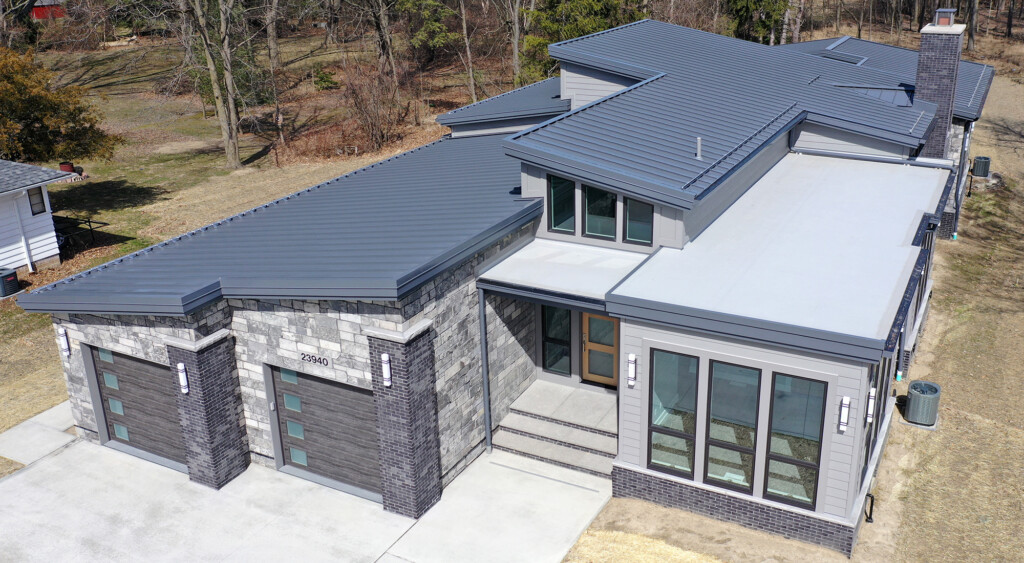
When it comes to a roof replacement or new construction, homeowners from Martinsburg, West Virginia, frequently look into several roofing materials for their home. Metal roofing is one of the options that has gained a large following due to its strength and value over the years. Nevertheless, before going ahead with it, the homeowner has to know how metal roofing functions, what its benefits are, and what points need to be kept in mind while in the design phase. For a start, people tend to refer to explanatory guides and metal roofing, related content, for example, www.lookfamilyexteriors.net/martinsburg/metal-roofing-services/, to get an overview of metal roofing systems.
Understanding the Basics of Metal Roofing
Metal roofing includes roofs made from materials like steel, aluminum, copper, or zinc. These roofs are generally set up as panels or shingles that lock with each other to form a weather-resistant barrier. In contrast to traditional asphalt shingles that depend on layers of materials, metal roofing is built to offer lasting structural strength and protection from the elements. Thanks to this variety in design, homeowners are frequently able to coordinate the look of their roof with the architectural style of their house while still receiving the advantages of metal.
Climate Considerations in Martinsburg
The climate in Martinsburg is characterized by a wide variety of seasonal conditions, which could include heavy rain, snow in winter, and strong winds from time to time. These weather conditions would usually dictate the type of roof a person would choose. For example, metal roofing has been well recognized for its snow-shedding capabilities, which could minimize snow buildup during heavy snowfall in winter.
Metal roofs are excellent during rainy spells because their slick surface generally allows water to run off quite fast. Besides, most systems have been designed to be tightly fastened, which enables them to resist even very strong winds. Thus, knowing these weather-induced benefits can assist people who own a house in deciding if metal roofing would indeed constitute a part of their requirements for a long period of time.
Longevity and Durability
The lifespan of metal roofing is probably one of the features that is being discussed the most. In a comparison of metal roofs with numerous traditional roofing materials, metal roofs are generally the ones that are cited as being very durable and having the longest service life. Although asphalt shingles may be the ones that require the most frequent changing (every 15 to 25 years), metal roofs that have been installed properly can last for such a long time that it is almost unbelievable.
Besides, the toughness of the material is not only related to how long it would withstand the weather but also to how well it resists cracking, shrinking, and warping; these are problems that the other types of roofing materials end up having after some time. Many metal roofs have been coated with some sort of anti-corrosion and anti-rusting protective covering that comes in very handy, especially when the material is subjected to all kinds of weather.
Energy Efficiency and Environmental Impact
In some cases, metal roofing can also help improve energy efficiency. Lots of metal roof products are made with reflective coatings that minimize heat uptake from sunlight. By bouncing back some of the sun’s heat, these types of roofs might help keep the interior at comfortable temperatures during hot seasons. Besides that, metal roofing components are generally recyclable, making them one of the choices for home builders who want to use green building materials. Sometimes, metal roofs are even compatible with installations over old roofing systems, which lowers the amount of building debris going to dumping grounds.
Installation and Structural Considerations
One should know that putting on a metal roof might not be the same as doing it with a regular roof. Metal sheets will need accurate sizes and certain installation skillsets to make sure everything is aligned, well-ventilated, and sealed from water. The home’s framework could be another side of the puzzle in choosing the roofing system that fits best. Elements like roof inclination, how well the attic is ventilated, and layers of the existing roof could all alter the way a new roofing system is installed. Due to such variables, people who own houses are usually willing to spend a lot of time figuring out ways of installation through reference materials and other documentation.
Making an Informed Roofing Decision
Choosing a roofing material is an important decision that influences the protection, look, and maintenance needs of a home over time. Metal roofing comes with a number of benefits, such as being long-lasting, resistant to weather, and having the possibility of energy-saving features. Meanwhile, it would be helpful to the homeowners if they understand the working and performance of these systems in the Martinsburg climate. Knowing about the materials, installation tasks, and other things that are taken into account over the years, homeowners will be able to make decisions about the roof with more certainty and understanding. Taking a thorough look at the matter will give them the chance to decide whether a metal roof is in line with their property’s style, surroundings, and maintenance needs for the future.
