

When winter fades and the first signs of spring appear, it’s tempting to dive straight into gardening and outdoor projects. But before you start sprucing up flower beds or unpacking patio furniture, it’s crucial to inspect your home for any damage caused by months of cold temperatures, heavy snow, and ice buildup. Winter can be deceptively rough on your home’s structure, yard, and exterior systems—and catching small issues early can save you from big repair bills later.
Inspect Your Roof and Gutters
Your roof takes the brunt of winter weather. Ice dams, snow accumulation, and fluctuating temperatures can loosen shingles and clog gutters. Once the snow melts, grab a ladder (or hire a professional) to check:
- Shingles and flashing. Look for cracks, curling edges, or missing pieces.
- Gutter flow. Ensure water runs freely through downspouts and away from your foundation.
- Fascia and soffits. Check for mold or water stains—these can hint at leaks behind walls.
A simple fix like tightening a gutter bracket or replacing a few shingles now can prevent costly leakage problems when spring rains arrive.
Examine the Foundation and Basement
As the ground thaws, excess water can seep into hairline cracks along your home’s foundation.
Take a slow walk around the exterior and look for:
- Cracks or gaps near window wells
- Soil erosion or puddles forming along the perimeter
- Damp patches inside your basement walls
If you notice standing water indoors or a mildew smell, consider extending your downspouts or grading your lawn to slope water away from the house. Addressing these issues early helps prevent mold and structural damage later in the year.
Check for Exterior Damage to Siding and Paint
Cold winds and moisture can wreak havoc on exterior finishes. Once the snow clears, give your siding and paintwork a careful once-over. Look for peeling paint, warping panels, or rusty fasteners. Wood siding may need sanding and resealing to prevent rot, while vinyl or fiber-cement siding typically benefits from a quick wash using a mild soap solution. If you notice any holes or loose boards, patch or replace them right away—spring rain can easily make problems worse.
Assess Driveways, Walkways, and Patios
Freeze-thaw cycles cause concrete and asphalt to expand and contract repeatedly, often leading to cracks or uneven surfaces. Check your driveway and walkways for gaps wider than a quarter-inch, which can worsen over time. Small concrete cracks can be sealed with a flexible filler product. For larger damage, you might need resurfacing. Don’t forget to inspect your patio stones, too—loose or sunken blocks can be a tripping hazard and should be reset with fresh sand or gravel beneath them.
Review Outdoor Plumbing and Irrigation Systems
Frozen pipes and frost heaves can easily damage outdoor water lines.
Before turning your sprinklers or hose bibs back on, make sure to:
- Inspect hoses and spigots for cracks.
- Check irrigation lines for leaks.
- Clean filters and replace broken sprinkler heads.
Once the snow fully melts, run your irrigation system briefly to verify proper pressure and coverage. If any zones fail to activate, the cause could be a cracked pipe from winter freezing that needs prompt repair.
Look for Tree and Yard Damage
Heavy snow and ice often cause branches to break or shrubs to be uprooted. Walk through your yard to spot broken limbs, leaning trees, or compacted soil where ice weighting occurred.
Trim dead or damaged branches before new growth begins, and aerate your lawn if it appears matted. Mulching garden beds and reseeding bare patches will help restore vitality to your yard, giving your outdoor space a healthy start to spring.
Evaluate Fences, Decks, and Outdoor Storage
Wooden fences and decks can absorb moisture during the winter, leading to cracks or rot. Test for soft spots by gently pressing along railings or boards. Power washing followed by resealing will not only enhance the appearance but also prolong the life of your wood surfaces.
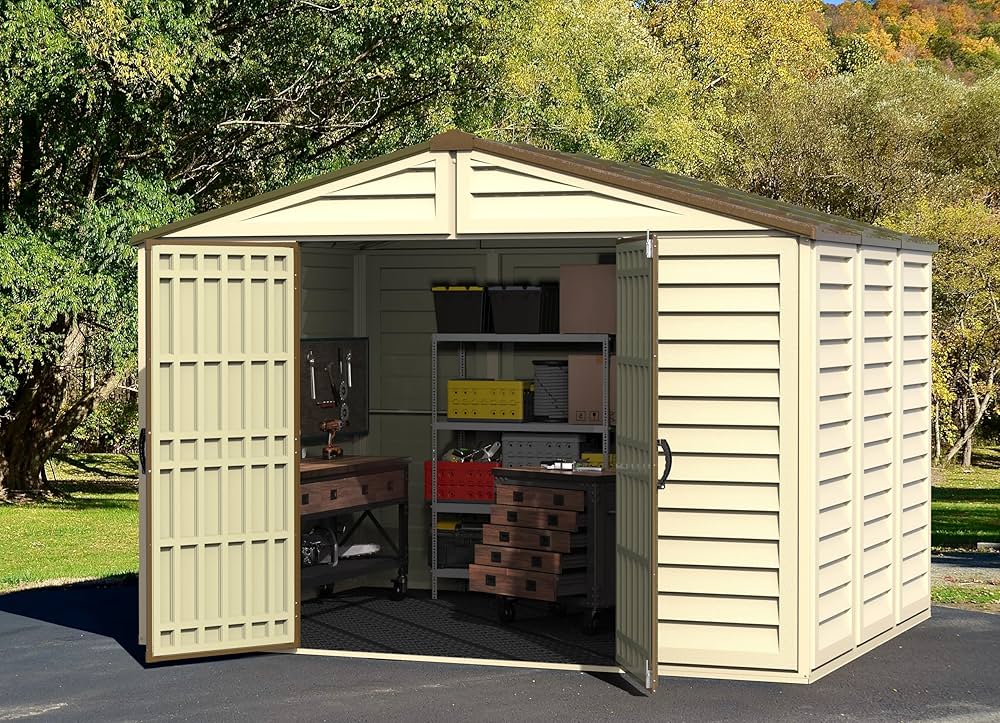
Additionally, inspect your outdoor storage setup. Harsh winter conditions can strain sheds and containers, especially if they’ve stored heavy equipment or tools. Consider upgrading to a tough outdoor storage shed from Keter to protect your items better year-round. Its durable resin design resists rust, rot, and fading—perfect for climates that swing from icy cold to blazing sun.
Confirm Windows and Doors Are Weather-Tight
Finally, take a look at your home’s windows and doors. Winter’s moisture can cause swelling and cracking in frames, while seals may dry out or lose flexibility. Check for drafts using a lighted candle or incense stick near closed windows—if the flame flickers, air is escaping. Replace worn weatherstripping or caulk around troublesome spots. This small maintenance step improves comfort, reduces energy bills, and keeps your home efficient through the spring transition.
When the snow melts, you’re left with an opportunity to reset and refresh both inside and out. Conducting a post-winter inspection takes just a weekend but can reveal early signs of wear before they develop into more serious problems.
With a sharp eye and some preventative care, you’ll protect your investment, boost curb appeal, and ensure your home is ready for the warmer months ahead—no emergencies or surprise repairs in sight.
