

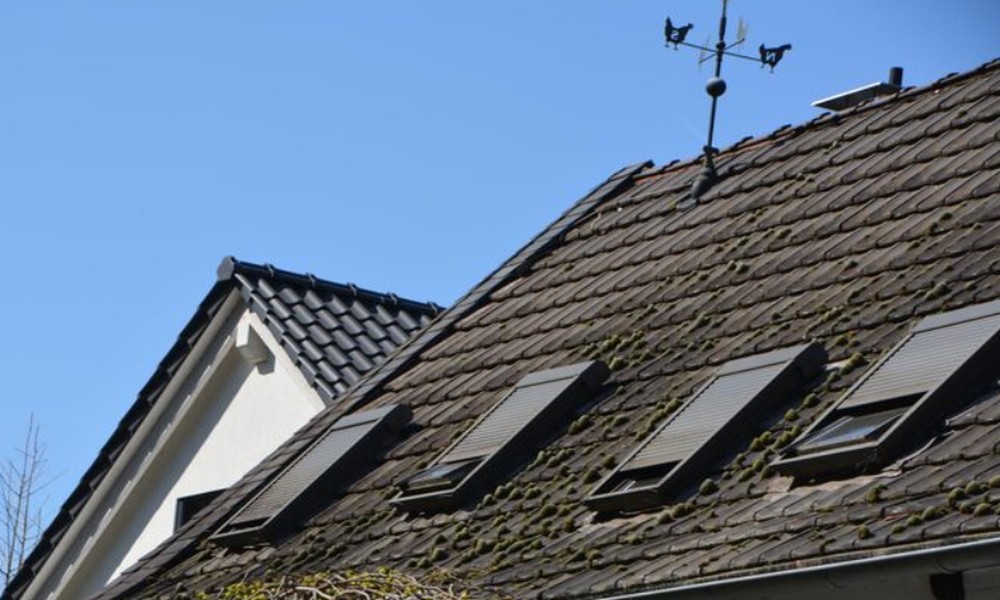
A roof looks simple from the street. It keeps weather out and comfort in. Under the shingles or panels, though, there is a whole system doing quiet work every hour. Roof installation builds that system from the deck up. Roof replacement removes a tired system and installs a new one that fits the home, climate, and code. Different moments, same idea-layers that manage water, air, and heat so the structure stays sound.
What roof installation includes
New construction starts with clean decking, usually plywood or OSB. Fasteners are checked. Seams are tight. From there, the crew builds upward in a sequence that matters.
- Underlayment: a water-shedding layer over the deck. Synthetic sheets are common. In cold or storm-prone zones, peel-and-stick ice and water barrier protects eaves, valleys, and other high-risk spots.
- Flashing: thin metal at chimneys, skylights, sidewalls, and vents. This is where roofs live or fail. Step flashing at walls, counterflashing tucked into masonry, boots around pipes.
- Drip edge and starter courses: metal edges guide water into gutters. Starter strips help seal the first shingle row against wind.
- Primary roof material: asphalt shingles, metal panels, tiles, shakes, or a membrane on low-slope sections. Each has its own fasteners and layout rules.
- Ventilation: intake at soffits and exhaust at ridge or box vents. Balanced airflow buffers heat and moisture so the roof ages slowly.
- Finishing details: hip and ridge caps, sealant checks, and a final cleanup with a magnet sweep for stray nails.
Done well, installation looks neat because the process was neat. Lines are straight. Valleys drain. Flashing sits tight and quiet.
What roof replacement involves
Replacement adds two big tasks before any new material goes on. Assessment and tear-off.
- Assessment: the contractor checks for soft decking, past leaks, mold, and ventilation problems. Photos help you see what they see.
- Tear-off: old layers come off to the deck. It is noisy for a day or two. The crew protects landscaping, covers attics where needed, and loads debris out of the way.
- Deck repairs: any rotten or delaminated panels are swapped. Fasteners are reset. Then the job looks a lot like new installation, layer by layer.
Some homes have multiple layers stacked from past jobs. It can be tempting to add another. In many areas that is not allowed, and even where it is, it often hides problems. A proper tear-off sets the next roof up for a full life.
Signs it is time to replace
You do not need to climb a ladder to catch most of these.
- Curled, cracked, or missing shingles
- Granules piling in gutters
- Rusted or loose flashing
- Stains on ceilings or in the attic after hard rain
- Hot or stuffy attic in mild weather, which points to poor ventilation
- A roof past its expected service life, even if it still looks okay from the driveway
A repair can buy time. When issues repeat across the field or around transitions, replacement usually makes more sense.
Materials and how to choose
There is no single best roof, just the best match.
- Asphalt shingles: familiar, cost-effective, wide style range. Choose impact and wind ratings that fit your weather.
- Metal: long life, sheds snow, handles wind well, reflects heat. Good for complex roofs when detailed carefully.
- Tile or slate: durable and heavy. Structure must be ready.
- Low-slope membranes: TPO, PVC, or modified bitumen where pitch is shallow.
Think about climate, HOA rules, fire ratings, and future plans like solar. Color affects attic temperature. Upgrades such as better underlayment or enhanced flashing cost little compared to the whole job and pay back in durability.
Timeline, cost factors, and what to expect
Most homes finish in a few days, weather allowing. Bigger roofs or complex details take longer. Price is shaped by material, roof size, pitch, access, wood replacement, and local code items like underlayment type or ventilation targets. Ask for a scope that lists each layer. When surprises pop up under the old roof-and they do-you will have a clear way to approve changes.
Why ventilation and flashing matter so much
Roofs rarely fail in the open field. They fail where planes meet and where air stalls. Balanced intake and exhaust keep the attic cooler and drier. Correct flashing turns water around corners without letting it think about entering. Those two habits do more for longevity than any single shingle upgrade.
Basic care after installation
Keep gutters clear. Trim back overhanging branches. Peek in the attic after the first big storm just to be sure everything is quiet. Review sealants and exposed flashings every year or two. Small checks catch small issues, and small issues are cheap.
Bottom line: roof installation builds a layered system that manages weather with simple physics and careful sequencing. Roof replacement resets that system when age or damage outpaces repairs. If you understand the layers, the order, and the places water loves to probe, you can judge the work with confidence and choose materials that fit your home and your climate. A calm plan at the start usually ends with a roof you do not have to think about for a long time.
This post was written by a professional at Baypoint Roofing. Baypoint Roofing is a State-certified, insured, bonded, and licensed roofing contractor specializing in insurance restoration, storm damage repair, and expert Roof inspection Land O Lakes FL and installations. With over 25 years of experience, we proudly serve the entire state of Florida. Whether you need a complete roof replacement or precise repairs, our skilled team delivers unmatched quality and service. Trust Baypoint Roofing to protect your home or business with solutions that endure the Florida elements and exceed your expectations. Your satisfaction is our top priority.
