

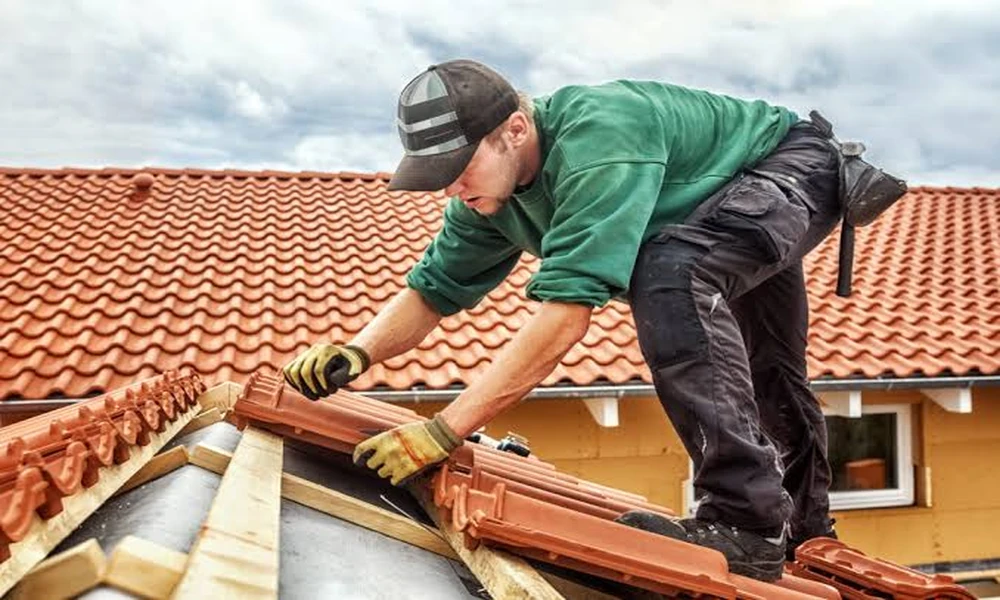
The roof acts as a cover for protecting the property from environmental factors such as rain, sun, wind, and extreme temperatures; therefore, the state of the roof plays a significant role in the overall functioning of the building. In case any damage occurs to the roof, the homeowners have to assess the situation and choose between getting the roof fixed or having a new roof installed. The data provided to homeowners who go here to learn about their roofing choices reflects this fact.
Understanding Roof Damage
Roofing problems can be a slow development process or can arise after some weather events. Some examples of such problems include the loss of shingles, cracks in the tiles, damage to the flashings, fastener damage, and minor leaks, among others. At times, these problems might only affect a certain portion of the roof without necessarily affecting the whole roof structure. It should be noted that sometimes there is more to a problem than meets the eye. Water leaking from even a small opening could affect the underlayments, insulation, the roof decking, as well as the interior finishing of the house.
When Does Roof Repair Make Sense?
Roof repair is an option where damage is relatively minimal, the basic structure of the roof is still intact, and there is still life left on the materials that make up the roof. Roof repair can also be an appropriate means for preventing further and larger problems from occurring. An instance of this would be when damaged flashings in roof penetrations allow water to seep through even though the shingles around the damaged area seem fine.
Another important factor that needs to be considered is the current state of the materials that make up the roof. If there is a roof that was installed fairly recently and there is some form of damage, there will probably be no need to replace the entire thing as long as the other parts of the roof are in good condition.
Signs That Replacement May Be Necessary
Roof replacement becomes more reasonable with the occurrence of extensive deterioration, repeated repairs becoming more common, or the lifespan of the roof is coming to an end. The presence of extensive loss of shingles, cracks, leakages, sagging of roof sections, and damage to the underlying roof decks could suggest that more is needed. Age does not necessarily indicate whether a roof needs replacement or not.
This is because different types of roofs have varying lifespans, while their effectiveness depends on factors such as installation quality, weather conditions, ventilation, and maintenance. However, an old roof that has deteriorated in various places might provide limited options for repair. Roof replacement will enable homeowners to solve problems such as inadequate ventilation and outdated roof components.
Comparing Costs and Long-Term Value
Repair is always cheaper in the short run due to the lower amount of material and labor needed. Yet, continuous repair is expensive since there will be new problems in the same roof. Replacement costs more initially, yet there can be less maintenance and longer performance periods.
It will be beneficial to compare the current and future costs. The analysis will involve the service life of the roof, the possibility of new damage, compatibility of materials, and the risk of postponing the work. It is important for property owners to think about their future time in the building since it may be better to replace the roof at the end of its life cycle.
The Importance of Professional Assessment
A roof inspection is a great way to find out any possible material damage, water damage, ventilation problems, and any structural defects. It is necessary to distinguish what needs an urgent fix and what could need further fixing. It is also helpful to compare any written estimates for a better objective view of things.
Making an Informed Roofing Decision
When deciding whether to fix or replace the roof, it becomes imperative to weigh the state of the roof in relation to finances and the need for security. Minor damages on a structurally sound roof might be considered for fixing, whereas extensive damage might necessitate that the roof be replaced. Those who go here to learn about roofs can use the above information to guide their decisions based on their situation.
