

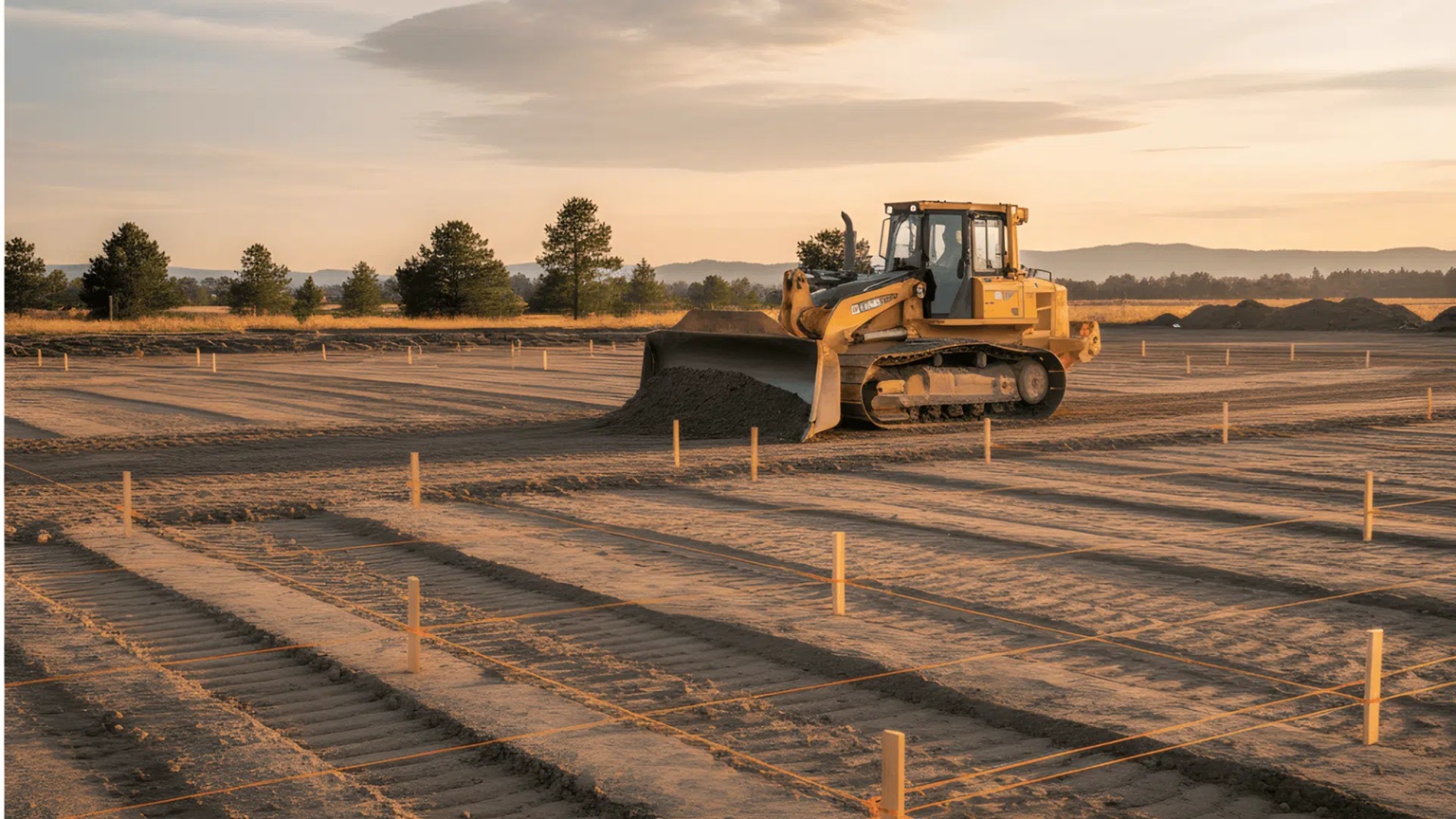
The journey to an exceptional outdoor space begins with a comprehensive understanding of the site itself. This initial phase, encompassing thorough consultation and sophisticated design planning, sets the stage for everything that follows. We start by engaging with property owners to fully grasp their vision, functional needs, and aesthetic preferences. Utilizing advanced 2D and 3D design tools, we can translate these ideas into detailed visual representations, allowing for real-time adjustments and ensuring the final plan aligns perfectly with expectations.
A critical component of this early assessment is topography evaluation. Understanding the natural contours, slopes, and elevations of the land is paramount for effective drainage, structural stability, and the strategic placement of landscape features. This evaluation informs decisions about grading, retaining walls, and even the type of plants that will thrive in specific microclimates. For large-scale projects, such as those involving Commercial site preparation landscaping, this level of detail is indispensable, as the scope and complexity necessitate rigorous planning to avoid costly errors and ensure regulatory compliance.
Beyond the physical characteristics of the land, navigating environmental regulations and securing the necessary permits are non-negotiable steps. Depending on the location, projects may require permits for land clearing, excavation, or construction within specific zones. Areas with wetland protection, for instance, demand careful adherence to environmental guidelines. Local zoning compliance, such as in towns like Stoneham, also dictates what can and cannot be built or altered on a property, making early permit acquisition a crucial part of the planning process. Overlooking these regulatory requirements can lead to significant delays, fines, and even project abandonment.
Why Site Preparation and Landscaping Success Starts Underground
The visible beauty of a landscape often distracts from the invisible work that underpins its longevity and functionality. Site preparation’s success truly begins underground. Effective erosion control and meticulous drainage planning are fundamental to protecting both the landscape and any structures on the property. Without proper drainage, water can pool, damage plant roots, compromise foundations, and lead to soil erosion, washing away valuable topsoil and nutrients. Solutions like French drains, swales, and catch basins are strategically integrated into the design to manage water flow efficiently, directing it away from critical areas.
Before any digging commences, identifying and marking existing utilities is an absolute necessity. The “Call 811” initiative is a crucial reminder to contact local utility companies to locate underground lines (gas, water, electric, communication) before excavation. This simple step prevents accidental strikes, which can cause severe injuries, costly repairs, and significant project delays. Furthermore, clearly defining property boundaries and identifying any subsurface obstacles, such as large rocks, old foundations, or buried debris, allows us to mitigate risks early in the process. Addressing these hidden challenges upfront saves time, money, and potential hazards down the line.
Integrating Hardscape Features During Early Prep
Hardscape elements—such as patios, walkways, driveways, and retaining walls—are integral components of many landscape designs, providing structure, functionality, and aesthetic appeal. Their successful integration hinges on early planning during site preparation. Excavation for these features must be precise, ensuring proper depths for footings and base materials that will support their weight and withstand environmental pressures.
For example, retaining walls require robust foundations to counteract soil pressure and prevent collapse, while patios and walkways need stable, well-compacted sub-bases to prevent settling and cracking. Planning for these elements during the initial site prep allows for efficient use of heavy equipment, minimizing disruption to other areas of the property. Selecting the right base materials, such as crushed stone or gravel, and ensuring proper compaction are critical for the long-term stability and durability of any hardscape feature. Integrating these structural elements early ensures a cohesive design and a robust foundation for the entire outdoor living space.
Technical Steps: From Land Clearing to Grading
Once the planning and assessment phases are complete, the physical transformation of the site begins with land clearing. This crucial step involves the systematic removal of unwanted vegetation, debris, and obstacles that stand in the way of the proposed landscape design. We meticulously manage vegetation removal, which can range from clearing small brush and weeds to felling large trees and grinding stumps. Debris management is equally important, ensuring that all removed materials are handled responsibly.
Often, selective clearing is employed, where desirable trees and natural features are preserved, enhancing the ecological balance and aesthetic value of the property. In cases where invasive species are present, specialized treatment is necessary to prevent their regrowth and spread, protecting the native ecosystem and the integrity of the new landscape.
Modern site preparation leverages advanced equipment and techniques to ensure efficiency and precision. High-precision excavators, like those used in Patriot Excavating site preparation, are indispensable for tasks ranging from digging trenches to shaping the land. These machines, operated by skilled professionals, can perform intricate excavation techniques with remarkable accuracy. Laser leveling systems further enhance this precision, ensuring that surfaces are graded to exact specifications, which is vital for proper drainage and the installation of hardscape elements. For stubborn tree stumps, stump grinding offers an effective solution, removing the obstruction below ground level and preparing the area for new plantings or construction.
Precision Grading in Site Preparation and Landscaping
Precision grading is one of the most critical aspects of site preparation, directly impacting the functionality and longevity of a landscape. It involves shaping the earth to achieve specific slopes and elevations, primarily to manage water runoff effectively. The goal is to establish positive drainage, ensuring that water flows away from structures and desired planting areas, preventing accumulation and potential damage.
Careful slope management is essential to prevent erosion and create stable surfaces. We design and implement various drainage solutions, such as swales (shallow depressions that channel water), French drains (perforated pipes buried in gravel to collect and divert subsurface water), and catch basins (inlets that collect surface water and direct it into an underground pipe system). These elements work in concert to control water flow, protecting foundations from water intrusion and preventing the formation of muddy, unusable areas. Proper grading not only safeguards the property but also creates a more functional and aesthetically pleasing outdoor environment.
Soil Stabilization and Compaction Techniques
For any landscape or hardscape feature to endure, the underlying soil must provide a stable and uniform foundation. This is achieved through soil stabilization and compaction techniques. Compaction involves increasing the density of the soil by removing air voids, enhancing its load-bearing capacity and reducing its susceptibility to settlement.
Mechanical tamping, using specialized vibratory plates or rollers, is a common method for achieving optimal compaction. The process typically involves placing fill soil in thin “lifts” (layers of 6-12 inches) and compacting each lift thoroughly before adding the next. This layered approach ensures uniform density throughout the fill. To verify that the desired compaction levels have been met, advanced techniques such as nuclear density testing are often employed. This testing provides quantitative data on soil density and moisture content, confirming that the soil can adequately support the planned structures and landscaping features. Proper compaction is crucial for preventing future settling, which can lead to cracked patios, uneven walkways, and compromised foundations, ultimately saving significant repair costs down the line.
Soil Management and Infrastructure Integration
Effective soil management is a cornerstone of successful landscaping, directly influencing plant health, drainage, and the stability of any built features. It begins with comprehensive soil testing to determine its composition, pH balance, and nutrient density. This analysis provides invaluable insights, guiding decisions on necessary amendments to create an optimal growing environment for plants. For instance, if the soil is too acidic or alkaline, lime or sulfur can be added to adjust the pH. Deficiencies in essential nutrients can be corrected with organic matter or specific fertilizers.
When sourcing additional Landscape and building materials, it’s important to consider their compatibility with the existing soil and their role in the overall design. Soil stabilization, which we discussed earlier in the context of compaction, also involves the strategic use of materials like geotextiles or aggregates to improve soil strength and prevent erosion. Removing organic matter, such as old roots and buried wood, is critical before construction, as these materials decompose over time, leading to voids and settlement. Any valuable topsoil removed during initial clearing is carefully stockpiled on-site for later reuse, ensuring that the nutrient-rich layer is preserved for planting.
Feature Type Typical Compaction Requirement (Standard Proctor) Purpose Turf Areas 85-90% Prevents excessive settling, supports light foot traffic, allows root penetration. Patios/Walkways 90-95% Provides stable base, prevents cracking and uneven surfaces under moderate loads. Structural Foundations 95-100% Ensures high load-bearing capacity, prevents differential settlement, critical for building integrity. Irrigation and Utility Installation
Integrating efficient irrigation systems and essential utilities is a vital part of site preparation, ensuring long-term functionality and ease of maintenance for the landscape. Planning for irrigation involves considering hydrozoning, a practice where plants with similar water requirements are grouped together. This allows for the installation of tailored irrigation zones, such as drip systems for planting beds and shrubs, which deliver water directly to the root zone, minimizing waste and maximizing efficiency.
Trenching for various utilities, including power lines for outdoor lighting, conduits for smart landscape technology, and water service for irrigation and outdoor features, must be carefully coordinated. These installations are typically completed before final grading and planting to avoid disturbing established landscaping. Proper planning ensures that all necessary services are in place, accessible for maintenance, and seamlessly integrated into the overall design without being visually intrusive.
Vegetation and Debris Disposal
Responsible vegetation and debris disposal is a critical aspect of site preparation, impacting both environmental sustainability and project efficiency. Rather than simply hauling away all cleared materials, we prioritize methods that minimize waste and, where possible, benefit the site. Mulching on-site is an excellent practice for smaller vegetation and branches. The resulting mulch can be used for erosion control, to enrich the soil, or as a decorative ground cover in planting beds.
For larger trees and non-organic debris, responsible hauling to approved recycling or disposal facilities is necessary. We ensure that organic waste is separated for composting or biomass management, diverting it from landfills. During clearing, defining and maintaining clear boundaries is also important for site security, preventing unauthorized access and ensuring that debris is contained within the work area. This systematic approach to debris management not only adheres to environmental regulations but also contributes to a cleaner, safer, and more sustainable project outcome.
Cost Factors and Professional Considerations
Understanding the financial aspects of site preparation is crucial for any property owner. The cost of site preparation can vary dramatically, influenced by numerous factors. Regional climate impacts, for instance, can affect soil conditions and the types of vegetation encountered. In areas like the North Shore, specific soil types (e.g., rocky, clay-heavy) can necessitate more intensive excavation or specialized equipment.
Key cost drivers include:
- Site Size and Complexity:Larger or more challenging sites (e.g., steep slopes, heavily wooded areas) require more time, labor, and specialized machinery.
- Vegetation Density:The amount and type of vegetation to be removed significantly impact clearing costs, especially for large trees or invasive species.
- Soil Conditions:Unexpected rock formations or unstable soil requiring extensive stabilization can add considerable expense.
- Equipment Mobilization:Transporting heavy machinery to and from the site contributes to the overall cost.
- Debris Disposal Fees:The volume and type of waste generated, along with local disposal regulations and fees, play a role.
- Permitting and Regulatory Compliance:The cost of obtaining necessary permits and conducting environmental studies can add to the budget.
Average Cost Disclaimer: Prices listed are based on general internet data and do not reflect specific company rates. Site preparation costs can range from $2,500 for a simple, small-scale project on already cleared land to $100,000+ for extensive work on difficult terrain, such as preparing a full basement on a challenging lot.
When selecting a professional landscaping contractor for site preparation, several considerations are paramount. We emphasize the importance of choosing a contractor with a proven track record, proper licensing, and comprehensive insurance coverage. These credentials protect the property owner from liability and ensure that the work is performed to industry standards. A reputable contractor will also provide a detailed quote, outlining all anticipated costs and project timelines, and will be transparent about potential challenges and solutions. Their expertise and the use of modern equipment, such as GPS-guided machinery, contribute to efficiency, precision, and ultimately, a more successful project outcome.
Frequently Asked Questions about Site Preparation
Property owners often have many questions when embarking on a site preparation project. Here, we address some of the most common inquiries.
How long does the site preparation process typically take?
The timeline for site preparation is highly variable, depending on the project’s scale, complexity, and specific site conditions. For a smaller residential project on a relatively clear lot, the process might be completed within a few days to a week. However, larger projects, those involving significant land clearing, extensive grading, or complex utility installations, can take several weeks, typically ranging from 2 to 4 weeks after the quote is approved. Factors such as weather delays (e.g., heavy rain making the ground too wet for heavy machinery) and the time required for permit processing can also extend the timeline. Despite these variables, professional teams prioritize efficiency, often completing the physical installation and groundwork in a surprisingly short period once all preliminary steps are finalized.
What are the most common challenges in site preparation?
Site preparation often presents unforeseen challenges that can impact timelines and budgets. Some of the most common include:
- Unexpected Rock:Discovering large boulders or bedrock during excavation can significantly increase costs and require specialized equipment for removal.
- High Water Tables:Sites with high water tables or poor drainage can lead to muddy conditions, requiring dewatering efforts or more extensive drainage solutions.
- Subsurface Utilities:Undocumented or improperly marked underground utility lines pose a risk of accidental strikes, causing delays and expensive repairs.
- Steep Slopes:Working on steep terrain requires specialized equipment and advanced erosion control measures, increasing complexity and cost.
- Access Limitations:Restricted access to the site can complicate equipment mobilization and debris removal, potentially requiring smaller, less efficient machinery. Addressing these challenges effectively requires experienced professionals who can anticipate and mitigate risks.
Do I need a permit for land clearing in Massachusetts?
Yes, in Massachusetts, land clearing and site preparation projects often require permits, and the specific requirements can vary significantly by municipality and the nature of the work. Local bylaws, particularly those related to wetlands, conservation, and tree removal, are crucial. For example, projects near wetlands or within buffer zones will almost certainly require review and approval from the local Conservation Commission. Many towns also have specific tree removal ordinances, especially for large or mature trees, or those located in public easements. Additionally, any significant earth moving or grading may necessitate an erosion control permit to prevent soil runoff into waterways. It is always advisable to consult with local building departments, conservation commissions, and seek professional guidance from your landscape contractor or an environmental consultant to ensure full compliance and avoid legal issues or project delays.
Conclusion
The journey from raw land to a vibrant, functional landscape is a testament to meticulous planning and expert execution. Site preparation, though often unseen beneath the surface, is the indispensable first step that dictates the success, longevity, and aesthetic alignment of any outdoor project. By prioritizing a thorough initial consultation, precision grading, robust soil stabilization, and integrated utility planning, we lay a foundation that not only supports the beauty of the greenery but also future-proofs the entire property.
A final walkthrough ensures every detail aligns with the design vision, while comprehensive maintenance planning guarantees the long-term health and vitality of the landscape. Embracing sustainable practices throughout this process further enhances the property’s value and environmental stewardship. Investing in professional site preparation is not merely an expense; it is an investment in the enduring stability, beauty, and functionality of your outdoor living space.
