


Refaced kitchen cabinets
Sometimes, a kitchen can feel out of date before the cabinet layout itself causes issues. You might have old doors, an outdated finish, or outdated hardware on cabinet boxes that still serve you well. Cabinet refacing is an alternative to a full cabinet replacement.
The cabinet boxes remain the same. Cabinet doors, drawer fronts, veneer, trim, and hardware are replaced.
Cabinet Refacing: What Changes?
Cabinet refacing involves covering cabinet faces with the same finish or veneer. Then, new doors and drawer fronts replace old ones. You can choose a new door style, color, profile, or material.
Some things that might change during a cabinet refacing project include:
- Doors in a Shaker style, slab design, or raised panel
- Drawer fronts and soft close hardware
- End panels and trim
- Hardware, including handles, pulls, and hinges
- Crown molding or light valance (if desired)
Since the cabinet boxes stay put, the layout usually doesn’t change either. Countertops, plumbing, flooring, appliances, and other features won’t have to be moved, possibly making the entire project less disruptive than a full renovation.
Inspect the Cabinet Boxes Before Refacing
To proceed with refacing, the cabinet boxes must be in good condition. They must be firmly attached to the wall, structurally sound, and free from serious water damage, swelling, or delamination. Not all cabinet boxes are candidates for refacing – Oakville cabinet refacing by Kitchen Made New is one local example of that approach.
Check the condition of the face frames, shelves, drawer slides, and areas around the sink and dishwasher. Sagging cabinet bases, extensive water damage, or cabinets built by a subpar contractor might need repair or replacement before the rest of the project can continue.
The current layout is also important. Refacing won’t help a cramped work triangle, insufficient storage space, or misplaced appliances. If your kitchen is frustrating to work in on a daily basis, maybe refacing isn’t the right solution.
Selecting a Style Can Affect the Final Look
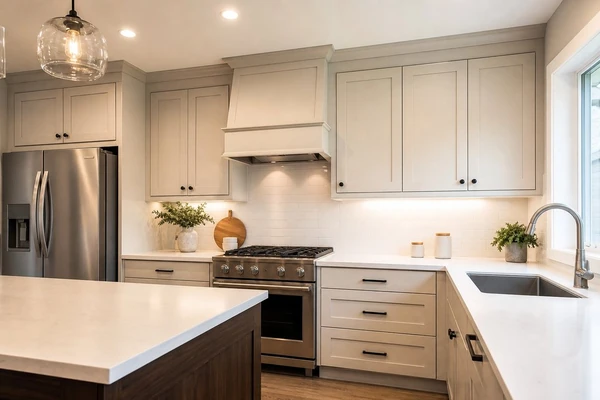
You can achieve many styles with cabinet refacing, ranging from simple modern designs to traditional looks. Choose a door style that complements the scale of the kitchen instead of clashing with it.
Slab doors can be great for a small kitchen because they’re less visually overwhelming. Framed doors, decorative trim, and detailed hardware can add visual interest to a large room. The choice of color also affects maintenance requirements. Some colors show dirt and dust more readily than others. Very light colors might also reveal stains and scratches easily.
Keep in mind what won’t change. New cabinet colors, finishes, or styles might clash with existing countertops, backsplashes, flooring, or wall color. Bring samples of the new finishes to your kitchen and view them in both daylight and artificial light to ensure they’ll work well together.
Take Measurements Carefully
Cabinet refacing is less invasive than replacement, but accurate measurements are just as important. When new cabinet doors and drawer fronts are installed, they cover part of the opening. This might change the size of the space in front of nearby walls, appliances, and cabinets.
For instance, a new door overlay shouldn’t make a dishwasher opening smaller than the minimum 24 inches (CNET spells this out at cnet.com/home) needed for that appliance’s installation. Also check for door swing clearance against nearby walls, pantry cabinets, and appliance handles. Small mistakes can cause problems later. A drawer that runs into an appliance handle or a door that smacks against a wall will make your beautiful new kitchen annoying to use.
Most of the interior of the cabinet will remain as-is, so keep in mind if you’d like a different interior color or material.
Your cabinet exteriors may look brand new but your interior could have an older color and finish, shelf wear, or old adjustment holes. In some cases, shelves may be replaced or organizers installed.
Think about what you would like to upgrade before doors are ordered. For instance:
- Roll-out trays for lower cabinets
- Pull-out waste and recycling bins
- Drawer dividers for utensils and cookware
- Lazy Susans or pull-out shelves for corner cabinets
These improvements may enhance the function of your cabinet and daily storage. You may need to measure in terms of hinge placement, door clearance, and depth of space available.
Clear out your cabinets before you start, and set up another place to store your regular dishes, food and small appliances.
Find out how dust is going to be contained and if there’s going to be limited access to your sink or cooking area while they install the doors and veneers.
Decide on the Project Scope
Cabinet refacing works best when the cabinet boxes are sturdy, the layout is functional, and the goal is aesthetic improvement. You can also combine refacing with select improvements, like replacing a damaged countertop, adding under cabinet lights, or upgrading internal storage accessories.
To determine whether cabinet boxes are a good candidate for refacing, open cabinets and drawers to examine the interior conditions for water damage, loose joints, warped shelves, and worn drawer hardware.
