

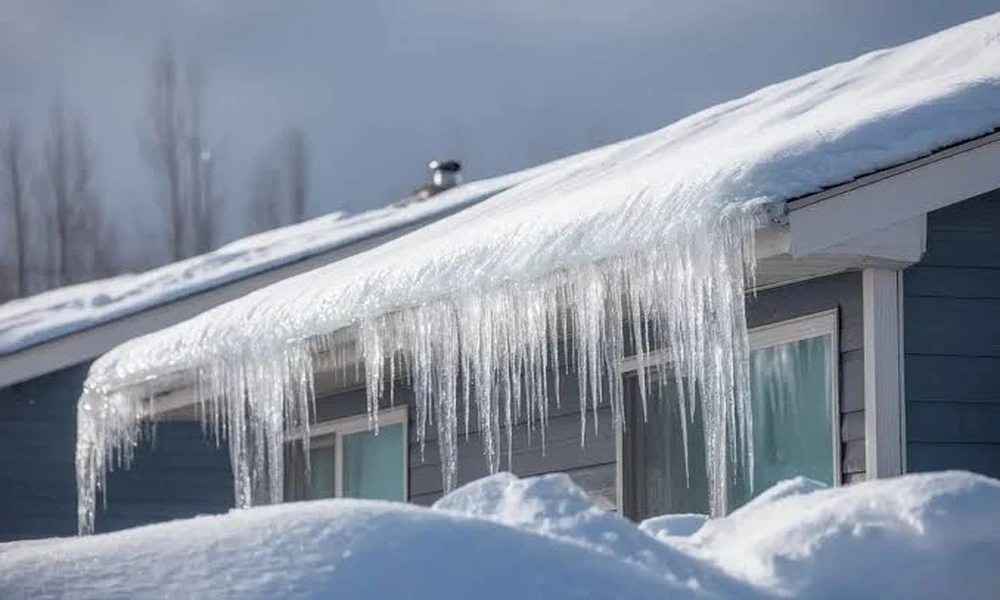
Ask anyone who has spent a few winters in Red Deer what gives them the most trouble, and the answer is rarely the big storms. Those are obvious, everyone sees them coming, and the shovels and plows come out on schedule. The real trouble is the in-between weather: a wet snowfall at minus two, a mild afternoon that turns it to slush, and a clear night at minus eighteen that locks the whole driveway into a sheet of ice by morning. Central Alberta runs through a lot of those cycles, and they are what a sensible winter plan needs to be built around.
A City Caught Between Two Climates
Red Deer sits roughly halfway between Calgary and Edmonton on the Highway 2 corridor, and its winters borrow a little from each. It does not get the regular chinook thaws that sweep through Calgary, but it does see mild spells when warmer air pushes across the province, enough to soften packed snow before the next cold front refreezes it. It also gets the long, settled cold that Edmonton is known for, with stretches in January and February when the temperature stays well below minus twenty for days at a time. The result is a season that swings between the two, sometimes within the same week.
That is why snowfall totals say so little about how hard a Red Deer winter will be on a driveway. A season with modest snow but a dozen thaw-and-freeze swings can be far more treacherous underfoot than a snowy one that stays cold from start to finish. Anyone arranging Red Deer snow removal for a home or a small business should expect to deal with ice at least as often as fresh snow, and should make sure the service they choose treats both as part of the job.
The Early and Late Snowfalls Are the Heavy Ones
Red Deer’s first snowfalls usually arrive in October and the last often land in April. Snow at either end of the season tends to fall close to zero degrees, so it is wet and heavy, and it can weigh two or three times as much as the dry powder that falls in January. Shovelling it is hard on backs and hearts, and pushing it with a light residential blower often leaves a slushy film behind that freezes solid overnight.
October storms deserve particular attention because they tend to catch people unprepared. Leaves are often still on the trees, so wet snow loads branches that would have shed it easily a month later, and lawns and flower beds are still soft enough to be torn up by a plow that cannot see where the driveway ends. Having the driveway edges marked and a winter service plan in Red Deer already in place before that first storm makes a real difference to how the yard comes through it.
What a Good Plan Includes
Clearing snow is only half of a Red Deer winter plan. When you compare options for snow clearing for Red Deer homes and businesses, look closely at how each one handles ice once the plow has gone. A plan that includes a follow-up pass or traction material when temperatures drop back below freezing is worth more here than one that simply pushes snow at a fixed depth and moves on. It is also worth asking what product goes down, because ordinary rock salt loses much of its effect once the pavement falls below roughly minus ten to minus fifteen, which is common in central Alberta for weeks at a time.
Trigger depth and timing
Most contracts name a snow depth that triggers a visit, typically somewhere between two and five centimetres. In Red Deer the lighter snowfalls matter more than the number suggests, because a thin layer left alone through a mild afternoon becomes the icy base of the next storm. Ask whether the crew comes during a long storm or only once it ends, roughly what time of morning residential routes tend to finish, and whether weekends and holidays are handled the same way as weekdays.
Where the snow goes
Where snow gets piled matters more in a freeze-thaw climate than in one that stays steadily cold. A pile at the top of a sloped driveway melts a little on every mild afternoon and sends water across the pavement, where it freezes into a slick patch by evening. A thoughtful crew will pile snow downhill of walkways and away from the foundation and the front entrance, and the best time to agree on that is before the first storm, while the lawn and the drainage paths are still easy to see.
Sidewalks and walkways
Like most Alberta cities, Red Deer expects property owners to clear the public sidewalk beside their property within a set time after a snowfall, so check the current bylaw and make sure the sidewalk appears in the contract. The same goes for the front walk, the steps and any path to a side door or back gate. These are where people actually fall, and where a driveway-only plan tends to come up short.
Book Before the First Real Storm
Snow removal companies in central Alberta plan their routes before the season starts, and each crew can only serve so many properties within a reasonable window after a snowfall. Once a route fills up, new clients are either turned away or added to the end of the line, which means a later arrival on the mornings that matter. Anyone who starts looking after the first heavy snowfall often finds the choices have narrowed.
Early to mid-October is a sensible time to settle it. The ground is still clear enough for a crew to walk the property, mark the edges and note any heaved slabs or drainage problems, and there is time to compare a few quotes without a buried driveway forcing the decision. Ask each company to spell out what the price covers, because two similar totals can describe very different work.
Red Deer winters reward people who plan for ice rather than only for snow, and a contract that covers follow-up passes, sensible piling and the light snowfalls will carry a property through a season of swings far better than one built around storm totals. Settling it now, while the first real storm is still a forecast rather than a fact, is the simplest way to make sure the plan is in place when the snow arrives.
Contact “PROPERTY WERKS” For More Information:
Address
1147 Renfrew Drive NE, Calgary, AB T2E 5H9
Phone
(403) 239-1269
Hours of operation
Weekdays 9 a.m.–5 p.m.
Website
https://www.propertywerks.ca/red-deer
Map
