

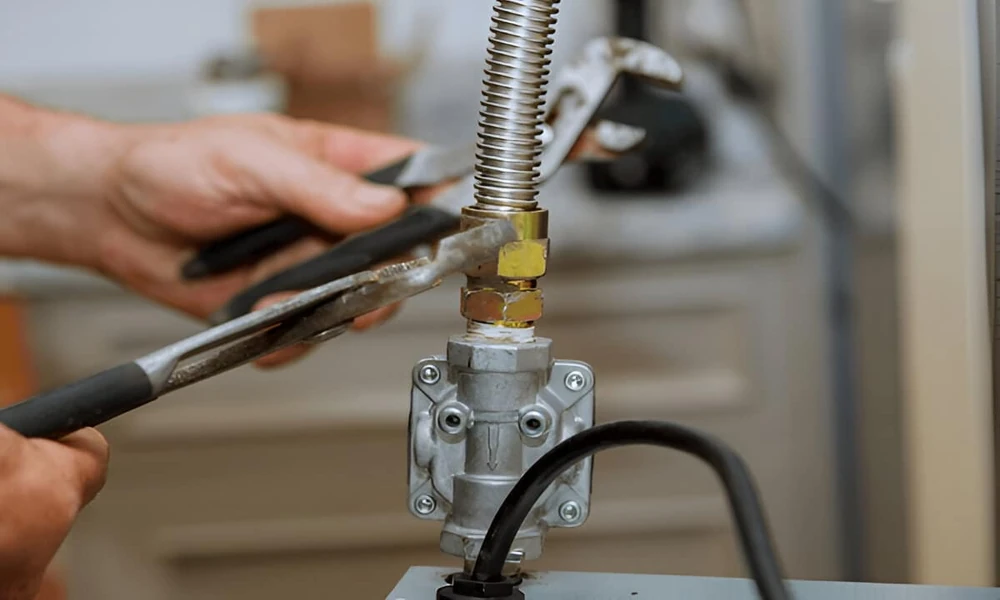
Gas and sewer lines are largely hidden from view, which makes problems within these systems difficult to evaluate based on surface symptoms alone. A wet area in the yard, an unusual odor, inconsistent gas appliance performance, or changes in drainage may indicate an underground issue. Still, the visible symptom does not necessarily reveal its exact location or cause. Beginning repair work based only on assumptions can lead to unnecessary excavation, wasted time, and an incomplete solution.
Accurate diagnosis gives plumbing professionals useful information about what is actually happening inside or around a line. It helps determine where the problem exists, what caused it, and how extensive the affected area may be. This information provides a much stronger foundation for selecting an appropriate repair method.
Similar Symptoms Can Have Very Different Causes
One reason diagnosis is so important is that plumbing symptoms are not always specific to one problem. A slow drain, for example, could be related to buildup close to a fixture, a deeper obstruction, pipe deformation, root intrusion, or another issue within the drainage system.
Underground sewer problems can be particularly difficult to interpret. Changes in soil conditions, aging materials, repeated blockages, and physical damage may produce similar symptoms inside a property. Simply treating the most noticeable symptom may provide temporary relief without addressing the actual source.
Gas systems require the same careful approach. An apparent performance problem should be properly assessed rather than immediately attributed to one particular section of piping.
Diagnosis Helps Define The Repair Area
Underground lines may extend across significant portions of a property. Without reliable information about the location of a defect, repair work can become unnecessarily invasive.
Diagnostic procedures can help professionals narrow the search area before physical work begins. Instead of treating an entire line as defective, they can determine whether the concern is concentrated in a particular section or involves a broader portion of the system.
For homeowners, this distinction can be significant. A localized issue may require a very different repair strategy from widespread deterioration. Knowing the extent of the problem allows the work to be planned around actual conditions instead of assumptions.
Better Information Supports Better Repair Decisions
There is rarely one repair approach that fits every underground plumbing problem. Pipe material, accessibility, age, surrounding conditions, and the type of damage can all influence what should happen next.
A residential plumber Houston homeowners contact for underground line concerns can use diagnostic findings to distinguish between a serviceable section of piping and one that requires more substantial intervention. This assessment can also help prevent functional portions of a system from being disturbed simply because they happen to be near the damaged area.
A precise diagnosis therefore serves as a decision-making tool. It connects the symptoms observed by the property owner with the physical condition that needs professional attention.
Unnecessary Work Can Create Additional Disruption
Repairing buried infrastructure may affect landscaping, driveways, walkways, or other parts of a property depending on the line’s location. Starting work without clearly identifying the problem can increase the amount of disruption involved.
Imagine excavating one section of a yard only to discover that the actual defect lies several feet away. Not only does this increase labor, but it may also create restoration work that could have been avoided.
Careful assessment can make the repair process more focused. Although every property presents different conditions, knowing where attention is required allows professionals to plan access more effectively.
The Cause Matters As Much As The Damage
Finding a damaged section of pipe is only part of the investigation. Understanding why the damage occurred can also influence the long-term result.
For example, recurring external pressure, unstable soil, intrusive roots, deterioration, or installation-related issues may continue affecting a line even after one damaged section is addressed. If the underlying contributing factor is overlooked, another problem may eventually develop.
Diagnosis should therefore look beyond the immediate defect whenever possible. Evaluating surrounding conditions can provide context that helps professionals understand whether the problem is isolated or connected to a continuing influence.
A More Informed Starting Point
Gas and sewer line repair involves systems that homeowners cannot easily inspect themselves. Because much of the infrastructure is concealed, symptoms observed above ground may provide only a small part of the story.
Accurate diagnosis replaces guesswork with useful evidence. It helps define the affected area, clarify the nature of the problem, reduce unnecessary disturbance, and guide the selection of an appropriate repair strategy. Taking the time to understand the condition of the line before beginning physical repairs can ultimately make the entire process more focused, efficient, and appropriate for the property.
