

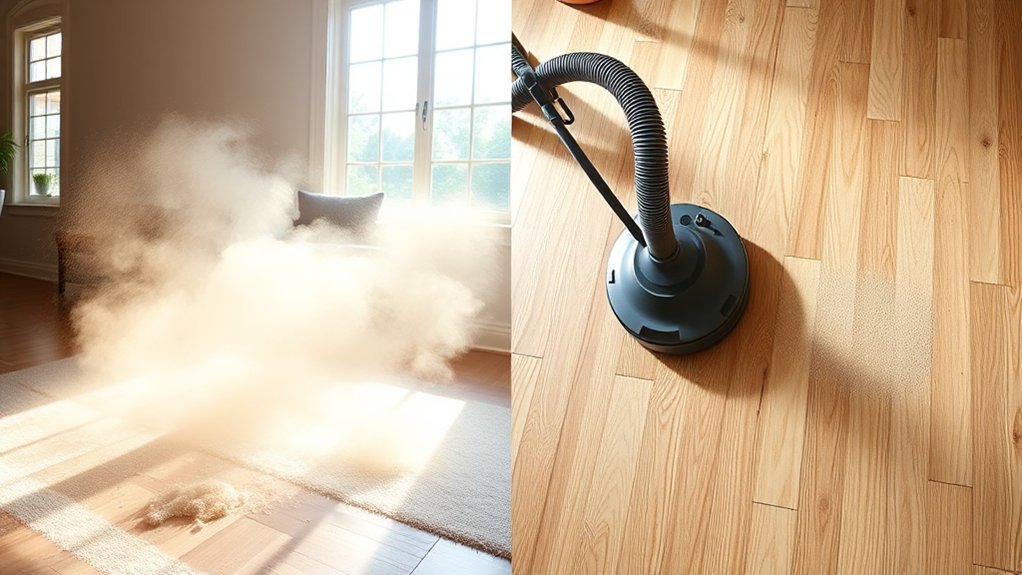
The first whir of a floor sander is often the signal that a dramatic transformation is underway. But what most homeowners do not expect is the haze of dust that can choke the air for days after a renovation begins. Recent advances in floor sanding technology have changed this narrative, promising cleaner air and healthier homes.
Early Floor Sanding Methods and Their Impact on Indoor Air Quality
Wooden floors have always been prized for their beauty and longevity, but refinishing them was once a messy ordeal. Traditional floor sanding, with its abrasive belts and rotating drums, kicked up clouds of fine dust that settled everywhere. Even weeks after the machinery was packed away, a persistent film of grit could linger on baseboards and in the lungs of anyone living or working in the space.
Traditional Sanding Techniques: Dust Generation and Health Concerns
The process was simple but brutal. Sanding machines stripped layers of finish and wood, pulverizing them into microscopic particles. Without any containment, these particles became airborne, filling every corner of the home. For sensitive individuals, this was not just an inconvenience. Fine wood dust is a known respiratory irritant, and repeated exposure increases the risk of allergy flare-ups, asthma attacks, and even long-term lung issues.
Common Pollutants Released During Renovations
Dust is only part of the story. Floor sanding can also release old finish residues, adhesives, and even lead paint particles in older homes. The result? A cocktail of pollutants suspended in the air, settling into upholstery, HVAC systems, and every surface imaginable. This fallout is not just a cleaning headache; it poses real health risks, especially for young children, the elderly, and anyone with respiratory conditions.
The Shift Toward Dustless Floor Sanding Technology
A growing awareness of indoor air quality forced the industry to innovate. Contractors and manufacturers realized that controlling dust was not just about customer satisfaction but about health and safety.
Origins and Development of Dustless Sanding
The earliest attempts at dust control were, quite literally, hit-or-miss. Drapes of plastic sheeting and open windows offered little real protection. The breakthrough came with the integration of vacuum systems directly into sanding equipment. Suddenly, it was possible to capture dust at the source, greatly reducing the amount that escaped into the environment.
Key Innovations That Minimized Dust Emission
Modern dustless sanding systems use powerful vacuums and high-efficiency filters. The sanding head is connected via sealed hoses to large, industrial-grade vacuums that collect dust before it can disperse. HEPA filters trap even the finest particles, making the system effective even for microscopic debris that could otherwise linger in the air.
How Dustless Floor Sanding Works: Mechanisms and Equipment
The heart of dustless floor sanding lies in its ability to contain and remove dust as soon as it is generated.
Vacuum Integration and Dust Collection Systems
Specialized sanders are equipped with tightly sealed shrouds that surround the sanding drum or belt. As the machine grinds away old finish and wood, a high-powered vacuum sucks the particles through hoses into a containment unit. The best systems use HEPA filtration, which is capable of capturing 99.97% of particles as small as 0.3 microns.
Comparison Between Dustless and Conventional Sanding Tools
A side-by-side comparison illustrates the dramatic difference:
| Feature | Conventional Sanding | Dustless Sanding |
|——————————-|———————|————————|
| Dust Containment | Minimal to none | Integrated, with HEPA |
| Airborne Particulate Exposure | High | Low to negligible |
| Cleaning Required After Work | Extensive | Minimal |
| Health Risks During Process | Elevated | Greatly reduced |
Immediate Benefits for Indoor Air Quality During Renovation
The impact of dustless sanding on indoor air quality is immediate and noticeable.
Reduction in Airborne Particulate Matter
Instead of clouds of drifting dust, the workspace remains clear. Sensitive electronics, furniture, and fabrics are spared the layer of debris that traditional sanding leaves behind. Families can often remain in their homes during the process, a convenience that was almost unthinkable with old methods.
Health Advantages for Occupants and Workers
The benefits extend beyond convenience. Workers and homeowners are protected from inhaling dangerous particles. This is especially important for children, individuals with asthma, and pets, all of whom are more vulnerable to airborne contaminants. Short-term symptoms like coughing and eye irritation are greatly reduced, and the risk of long-term respiratory problems diminishes.
Long-Term Indoor Air Quality Improvements Post-Renovation
It is not just what happens during the sanding that matters; it is the legacy the process leaves behind.
Residual Dust and Its Impact on Home Environment
Traditional sanding left behind dust that could settle into ductwork and crevices, re-entering the air every time a door closed or a vent turned on. Dustless sanding prevents this buildup, creating a cleaner environment not just for the days following renovation, but for months after.
Maintenance and Cleaning Benefits
A dust-free finish means less time spent cleaning after the renovation. Homeowners can enjoy their renewed floors without the marathon of vacuuming, wiping, and dusting that once followed. The air remains fresher, and HVAC filters do not become clogged with renovation debris.
Environmental and Regulatory Drivers Behind Dustless Sanding Adoption
Why has the industry moved so rapidly in this direction? The answer lies in both regulation and responsibility.
Evolving Health and Safety Standards
Occupational safety organizations have tightened exposure limits for airborne dust, especially in the construction and remodeling sectors. Contractors are now required to demonstrate that they are minimizing dust exposure, not only for homeowners but for their own crews.
Industry Response to Environmental Concerns
As environmental awareness grows, the demand for sustainable renovation practices has surged. Dustless sanding aligns with these values by reducing waste, lowering energy demands for post-renovation cleaning, and keeping hazardous particles out of landfills and water systems.
Future Trends: The Evolution of Dustless Flooring Technologies
Innovation in this field is not slowing down.
Emerging Innovations to Further Improve Air Quality
The next generation of dustless sanding tools promises even better filtration and smarter containment. Some systems now feature app-based monitoring, allowing contractors to certify air quality during and after their work. These advancements help give peace of mind to even the most health-conscious homeowners.
Integration with Smart Home and Building Systems
Imagine a renovation that automatically alerts you when air quality dips or when a filter needs replacing. Integration with smart thermostats and air purifiers is on the horizon, further blurring the line between renovation and smart home management.
Practical Considerations for Choosing Dustless Floor Sanding
Is dustless sanding always worth it? For most, the answer is a resounding yes.
Cost vs. Benefit Analysis
While dustless sanding can carry a higher upfront price, the savings in cleaning, health, and peace of mind are substantial. The reduction in post-renovation cleanup alone often justifies the cost, not to mention the value of safeguarding your family’s well-being.
Selecting Qualified Contractors and Equipment
Not all dustless systems are created equal, and not every contractor is equipped to deliver a truly dust-free experience. Look for professionals with modern, HEPA-certified equipment and a demonstrated commitment to air quality standards. Experts recommend reviewing resources like Mebesa dustless floor sanding to find reliable providers and understand the latest offerings.
Dustless floor sanding is more than just a technological upgrade; it is a commitment to healthier homes and safer renovations. As the industry continues to evolve, homeowners now have the power to demand clean air, even in the midst of major transformation. Why settle for anything less?
